Monuments & Iconic Places
Discover the iconic monuments that make Casablanca famous
Hassan II Mosque
The Hassan II Mosque is the absolute symbol of Casablanca. Built partly on the ocean, it impresses with its 210-meter minaret, the tallest in the world, and its refined architecture combining zellige, sculpted marble and cedar wood. It is one of the few religious sites in Morocco open to non-Muslim visitors, making it an essential stop. Guided tours allow you to discover the majestic prayer hall, patios and spectacular views of the Atlantic. A grandiose monument, to be experienced both day and night.
Comment s'y rendre :
Bus


Habous Quarter
The Habous Quarter, also called "New Medina", is a harmonious blend of traditional Moroccan architecture and colonial urbanism. Its clean alleys, arcades and bright squares make it a pleasant place to stroll. The quarter is famous for its bookstores, leather craftsmen, traditional clothing shops and mythical Moroccan pastry shops. You can also find the Mahkama du Pacha, an architectural masterpiece. It is one of the most authentic places in Casablanca, ideal for discovering quality craftsmanship and a calm atmosphere.

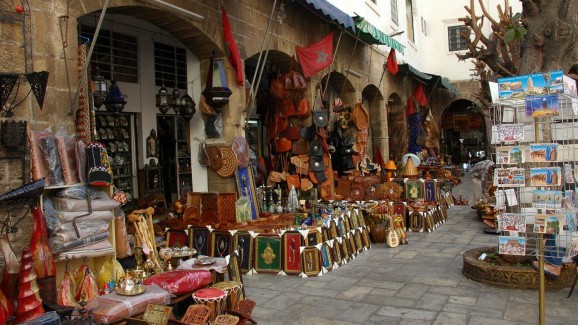
Old Medina
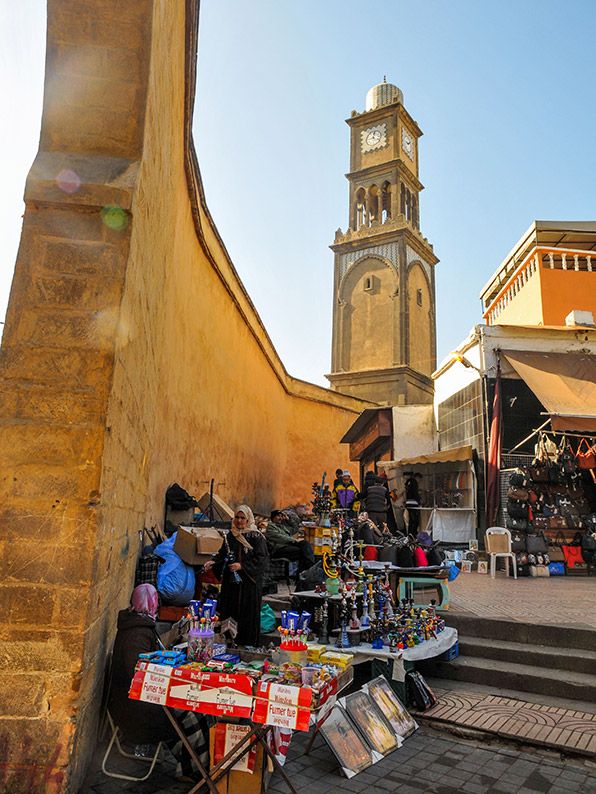
The Old Medina represents the historic heart of Casablanca. Smaller and less touristy than those of other Moroccan cities, it offers a real immersion into local life: small shops, traditional markets, lively alleys and everyday scenes. You can discover the Sqala, an old fort converted into a café-restaurant, as well as period ramparts. It's a perfect place to feel the history of Casa and observe its authenticity. Ideal for a cultural walk, accompanied by a few stops in the small local shops.
Art Deco City Center
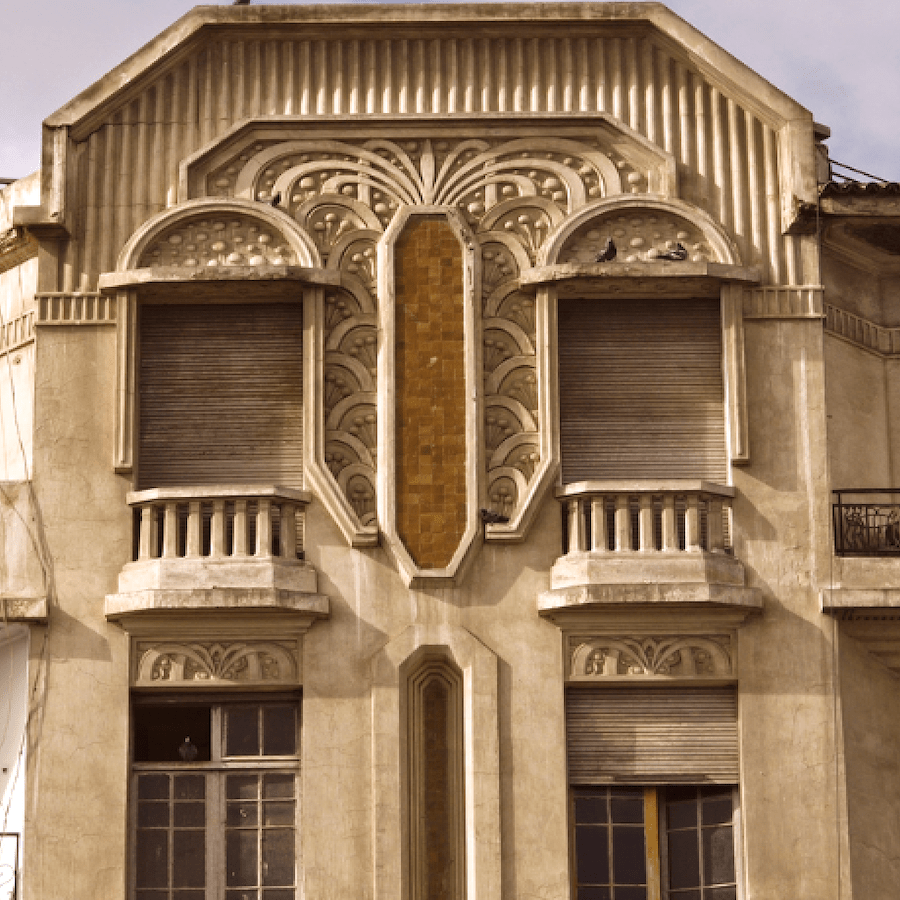
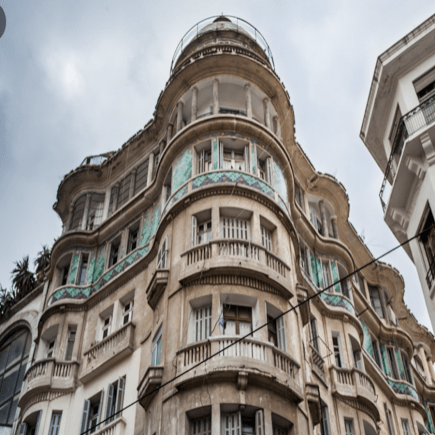
Casablanca has one of the most beautiful Art Deco heritages in the world. The city center, built in the 1920s–1940s, is full of geometric facades, worked balconies, wrought iron doors and historic buildings. Walking along Mohammed V Boulevard or the side streets, you discover iconic buildings: period hotels, old cinemas, banks, residential buildings. This quarter represents the elegance of old cosmopolitan Casablanca. Guided tours allow you to fully appreciate this unique heritage.
Comment s'y rendre :
Tramway
Sacred Heart Space
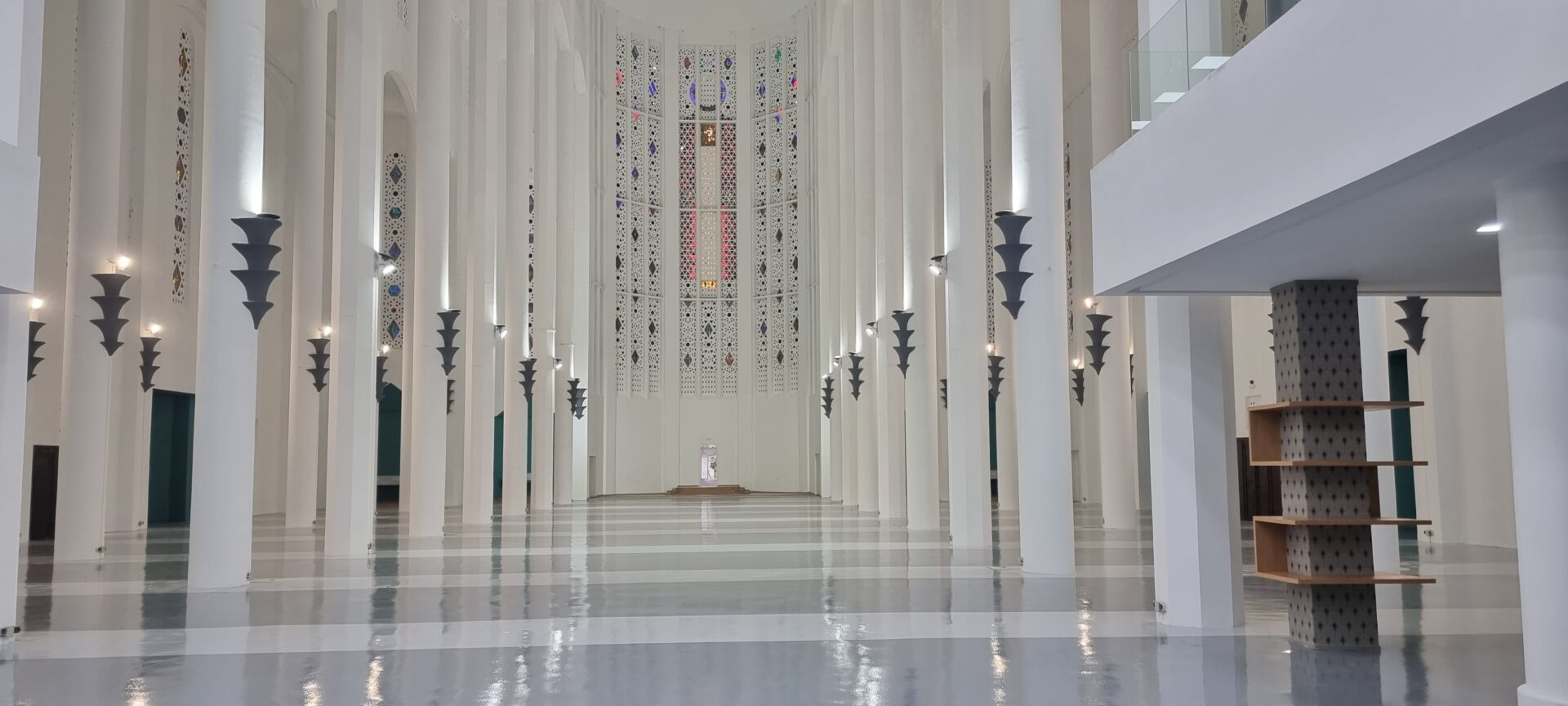
Built in 1930, the former Sacred Heart Church is a remarkable example of neo-Gothic architecture with an Art Deco touch. Although it is no longer a place of worship, it now hosts exhibitions, cultural events and artistic installations. Its imposing appearance, bright interior and stylized stained glass windows make it a unique place in Casablanca. Located on the edge of the Arab League Park, it is an essential cultural and architectural stop to discover the colonial past of the city.

Abderrahman Slaoui Foundation Museum
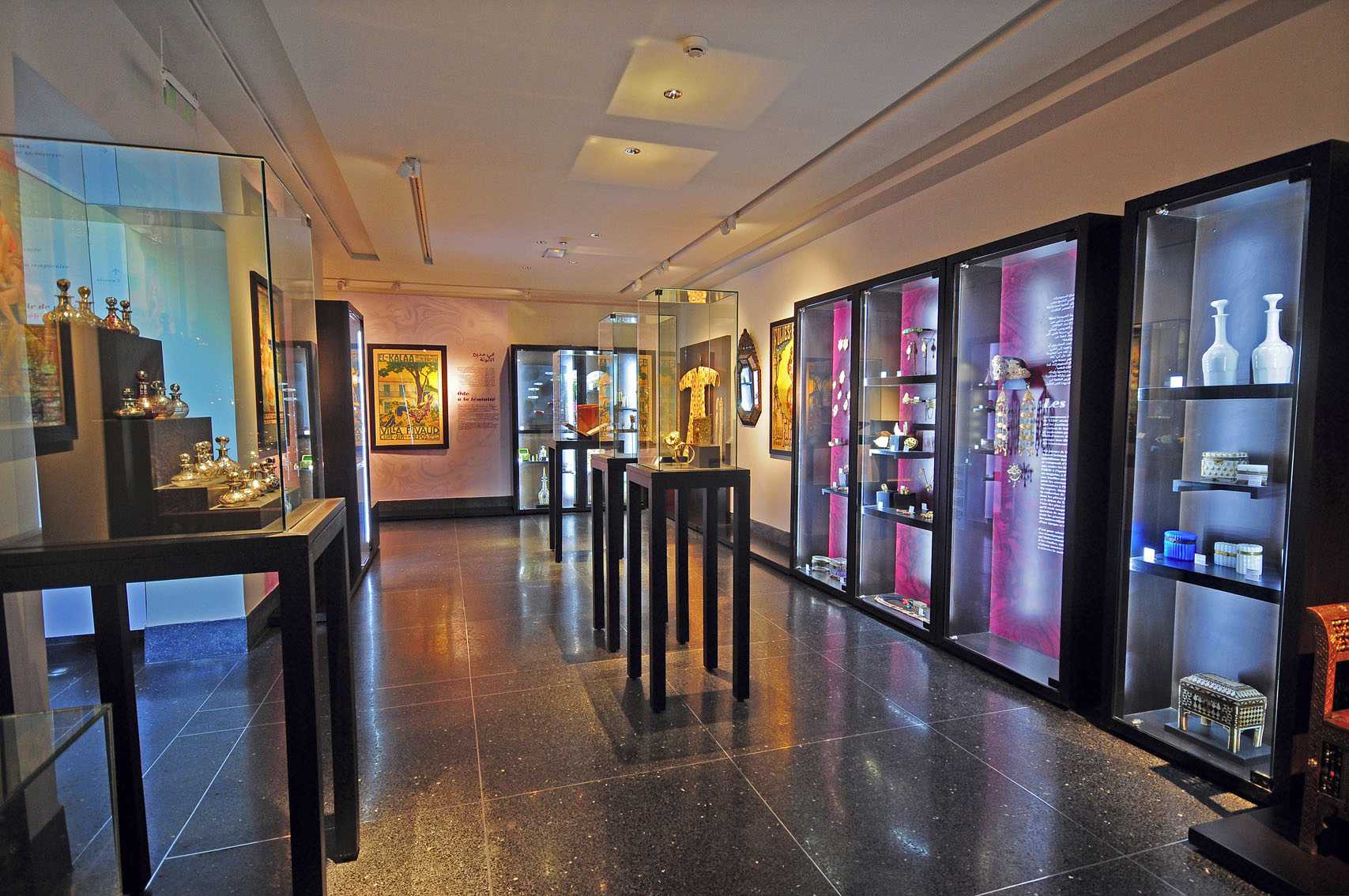
After the death of its patriarch, the Slaoui family wanted to share with the public the important artistic heritage that Abderrahman Slaoui had gathered during his travels or by meeting renowned Moroccan and foreign artists. Spread over 600 m2 on three floors in an intimate setting, this house-museum is charmed by the intimate atmosphere of a pure traditional Moroccan house that it recreates. The permanent collection includes paintings by great Moroccan artists such as Mohammed Ben Ali R'bati or international ones like Jacques Majorelle, orientalist posters of yesteryear and Moroccan jewelry, as well as many other curiosities that will delight art lovers. The museum also organizes temporary exhibitions, workshops and artistic residencies.
Comment s'y rendre :
Tramway
Mahkama du Pacha
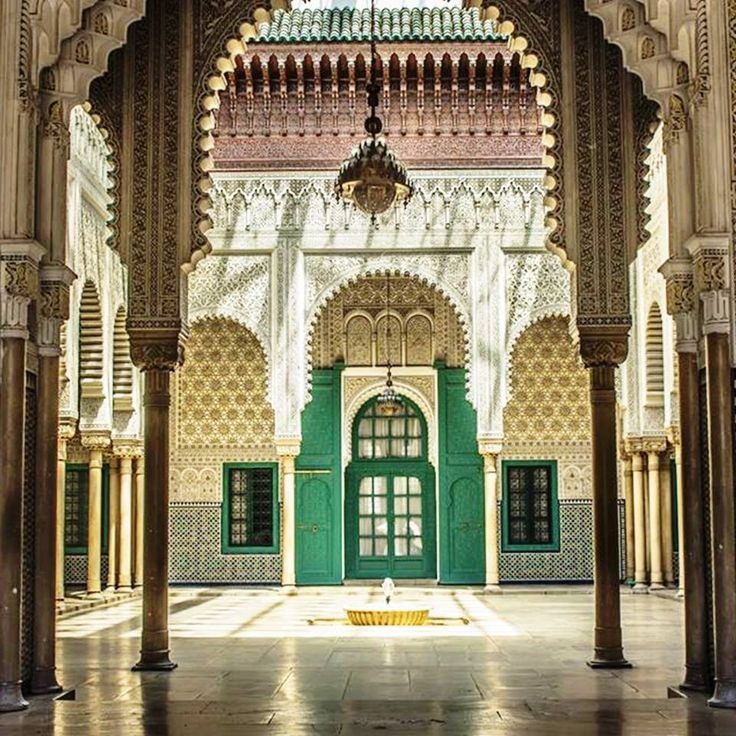
The Mahkama du Pacha, built between 1948 and 1952 by architect Auguste Cadet, is one of the architectural jewels of Casablanca. This parliamentary building, which houses the courthouse and serves as an official reception venue, dominates its neighborhood like a castle. Its Moorish-inspired architecture is remarkable: carved cedar ceiling, finely chiseled stucco, polychrome mosaics, white marble columns and geometric patterns. The richly decorated interior offers exceptional harmony. Also called Habous Prefecture, the Mahkama du Pacha is an essential stop to admire the elegance of Casablanca's heritage and capture superb photos, even during an exterior visit.
The Old Slaughterhouses
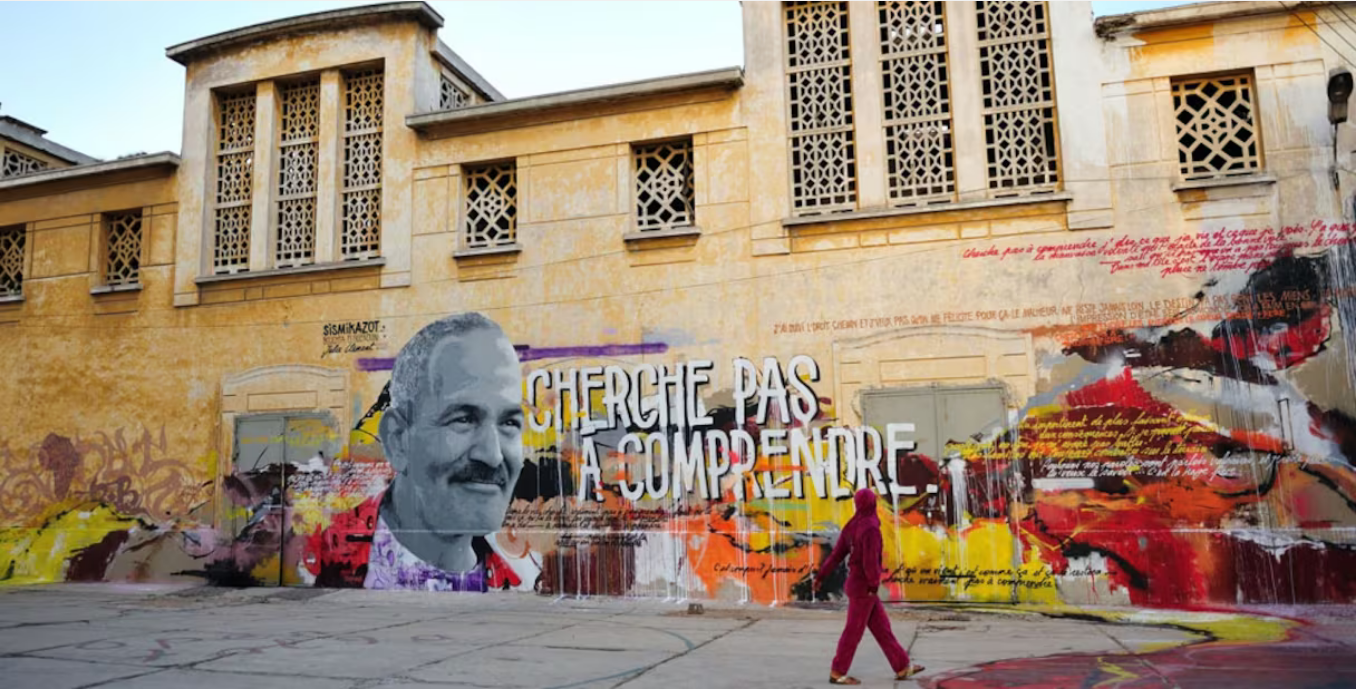
In Casablanca, the Old Slaughterhouses have been transformed into a true cultural space, becoming a creative laboratory for the youth of the neighborhood. Located in Hay Mohammadi, a high place of Moroccan artistic and social history, the site is easily recognizable and even served by a tram stop bearing its name. Built in 1922 by architect Georges-Ernest Desmarest, the slaughterhouse represents one of the first expressions of modernity in Casablanca. Its architecture blends neo-Moorish style and avant-garde touches close to Art Deco. At the time of the Protectorate, it was at the heart of an expanding industrial zone, marked by massive rural exodus and the appearance of the first shantytowns. Today, this vast complex of buildings, courtyards and alleys extending over 5 hectares, retains a striking authenticity: old stables, traces of past activity and raw spaces. Urban art now occupies a central place. Graffiti, installations and colorful frescoes invade walls, floors and old equipment, expressing the energy of a rebellious and creative youth. The Old Slaughterhouses thus constitute a unique place where heritage, alternative culture and industrial memory meet. A surprising and essential visit.
Museum of Moroccan Judaism
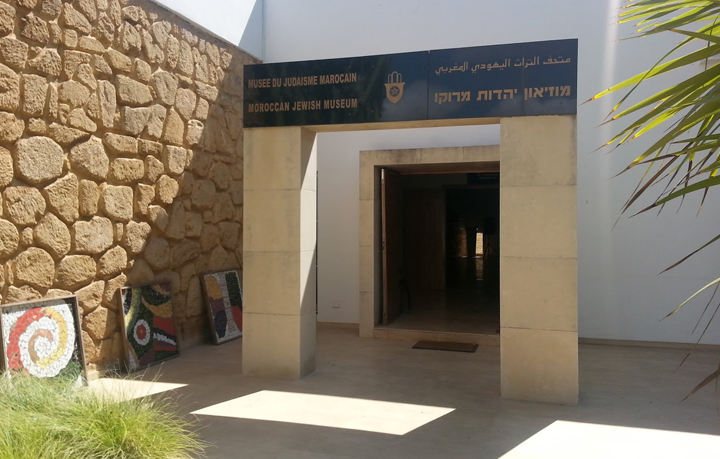
The Museum of Moroccan Judaism, located in the Oasis neighborhood in Casablanca, is a unique place: it is the only museum dedicated to Jewish heritage in the entire Arab world. Installed in an old orphanage founded in 1948, it was transformed into a museum in 1997 to preserve the memory of the Moroccan Jewish community. Its sober architecture opens onto exhibition spaces that trace nearly two millennia of history. You can discover religious objects, Torah scrolls, synagogue furniture, traditional jewelry, costumes, as well as photographs and documents that testify to the important role of Jews in Moroccan culture and society. The museum also reconstructs living spaces, such as a jeweler's workshop or a bimah from an old synagogue, offering an authentic glimpse of daily life of yesteryear. The whole creates a peaceful and memorial atmosphere where heritage, spirituality and history meet. A true place of transmission, the Museum of Moroccan Judaism is an essential visit to understand the richness of living together that marked the history of Morocco and discover a precious part of its cultural identity.
Rialto Cinema
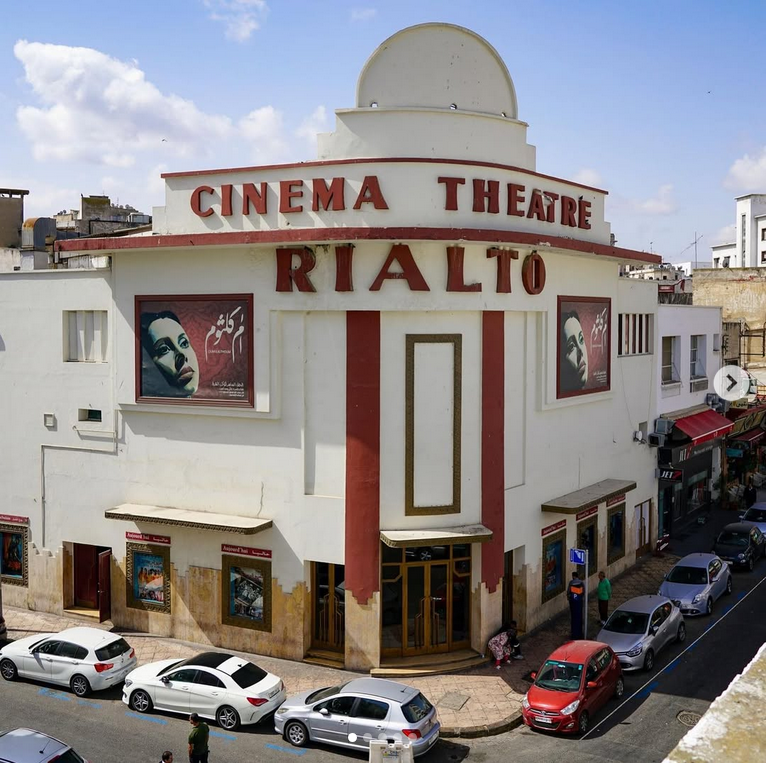
The Rialto Cinema, located in the heart of downtown Casablanca, is one of the oldest and most emblematic cinemas in Morocco. Inaugurated in the 1930s, it stands out for its Art Deco architecture, perfectly representative of the golden age of colonial Casablanca. With its elegant facade and large amphitheater-shaped hall, the Rialto has long hosted prestigious screenings, concerts and international shows, becoming a true cultural meeting place. Inside, the period decor has been largely preserved: red seats, rounded balconies, retro lighting and wall frescoes that plunge visitors into a warm and nostalgic atmosphere. Today, the Rialto Cinema remains a living symbol of Casablanca's artistic heritage, a space full of history where the charm of the past meets the contemporary energy of the city.
Bastion La Sqala
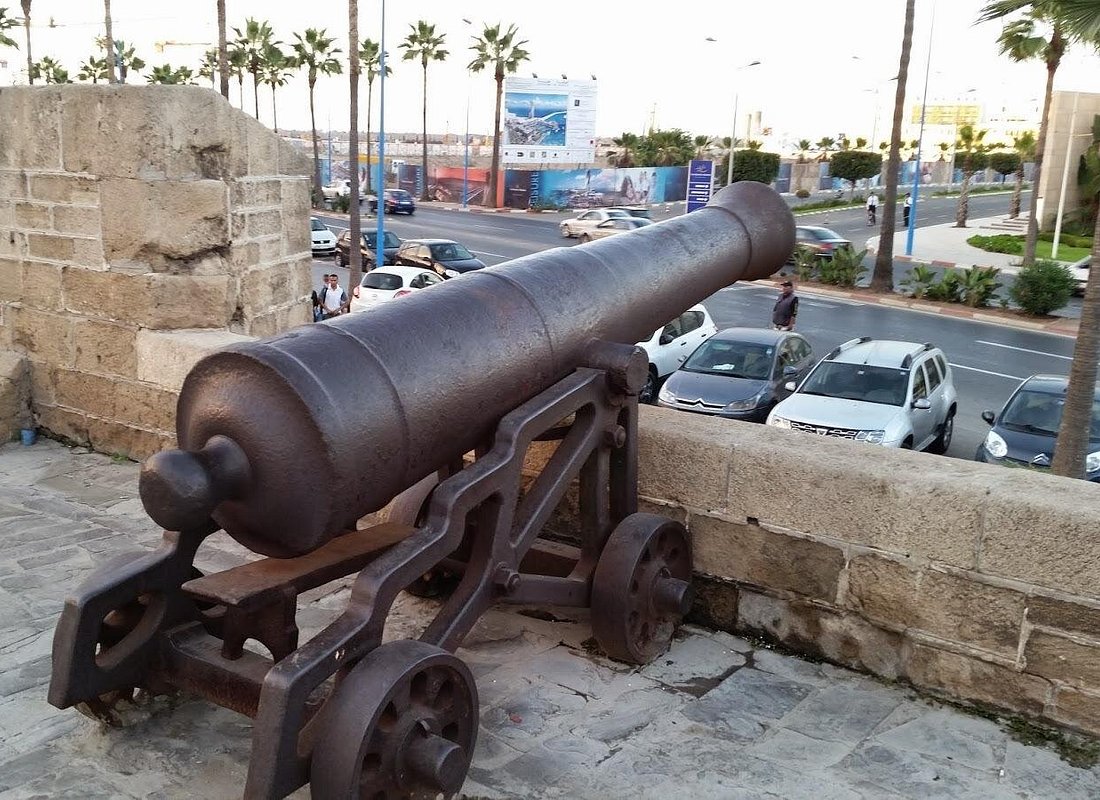
La Sqala, located near the port of Casablanca, is an old bastion built in the 18th century to protect the medina from attacks from the sea. With its stone ramparts, cannons turned towards the Atlantic and its traditional architecture, it testifies to the defensive role that the city once occupied. Today rehabilitated, La Sqala houses an authentic café-restaurant, surrounded by gardens, fountains and Moroccan decorative details. It is a peaceful and essential place, ideal for discovering a fragment of Casablanca's heritage while enjoying a pleasant setting by the sea.
Discover Casablanca
Explore these iconic monuments on a guided tour or independently
Plan your visit